
Amber Glass Bottles: When Beauty Brands Should Use Them
Amber glass bottles block UV light to protect photosensitive skincare actives, but founders must evaluate oxidation risks and branding needs before defaulting to amber packaging.
Choosing the right container for a new cosmetic formulation involves evaluating aesthetic appeal, functional performance, and ingredient protection. Amber glass bottles have long been a standard in the beauty industry, signaling a clinical, apothecary, or natural positioning while offering tangible protective benefits. However, treating amber glass as a universal default for all formulations ignores the nuanced science of ingredient stability.
Founders and formulators must evaluate whether amber glass is genuinely necessary for a specific product, or if alternative materials might offer better branding flexibility without compromising stability. This article explores the protective properties of amber glass, explains the mechanisms of light-induced degradation, and provides a decision-grade framework for evaluating glass color options against clear, frosted, and opaque alternatives. The goal is to help founders make the right call for their specific formula and brand context, not just follow a packaging convention.
Why Packaging Color Is a Formulation Decision, Not Just an Aesthetic One
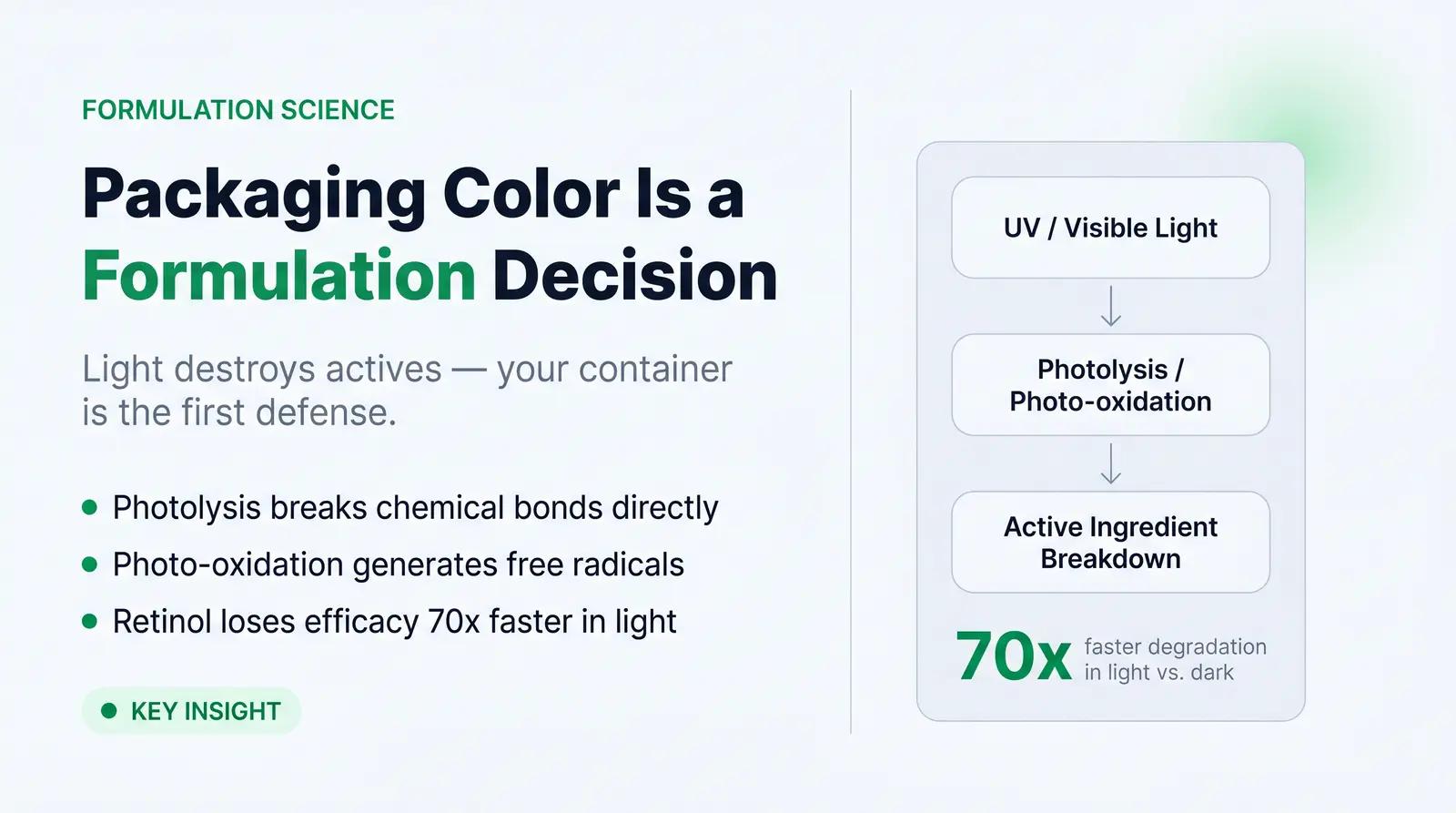
The primary function of cosmetic primary packaging is to maintain the integrity of the formula from the filling line to the final drop. Light-induced degradation, encompassing both photo-oxidation and photolysis, represents a significant threat to active ingredients in skincare. When a formula is exposed to ultraviolet (UV) and visible light, the energy from photons can break chemical bonds or generate reactive oxygen species, leading to a cascade of degradative reactions.
The Science of Light-Induced Degradation
Photolysis is the direct breakdown of a molecule by light energy. When a photon of sufficient energy strikes a chemical bond, it can cleave that bond, producing reactive intermediates that go on to form degradation products. Photo-oxidation is a related but distinct process: light energy generates reactive oxygen species, such as singlet oxygen or free radicals, which then attack vulnerable molecular structures. Both processes can render active ingredients ineffective, alter product color or odor, and in some cases generate compounds that pose safety concerns.
The consequences of photostability failures are measurable and detrimental. A peer-reviewed study evaluating the stability of commercial retinoid cosmetic products found that long-term and accelerated stability testing revealed retinoid instabilities in almost all products tested, with light degradation proving more pronounced than temperature-induced degradation [1]. Retinol and retinyl palmitate are notoriously susceptible to photolysis, losing efficacy rapidly when exposed to UV radiation without adequate packaging protection.
Similarly, ascorbic acid (vitamin C) exhibits profound sensitivity to environmental stressors. Research into the photostability of ascorbic acid in cream formulations demonstrates that photolysis generates degradation products such as dehydroascorbic acid and 2,3-diketogulonic acid [2]. The rate of oxidative degradation in the dark is substantially slower, approximately seventy times slower, than that observed in the presence of light [2]. The International Council for Harmonisation of Technical Requirements for Pharmaceuticals for Human Use (ICH) addresses these concerns comprehensively in the Q1B Photostability Testing Guideline, which recommends systematic light exposure testing to confirm product stability as part of stress testing protocols [3]. Packaging color, therefore, acts as the first line of defense against these degradative pathways, making it a critical formulation decision rather than a purely aesthetic one.
What Amber Glass Actually Does (and Doesn't Do)
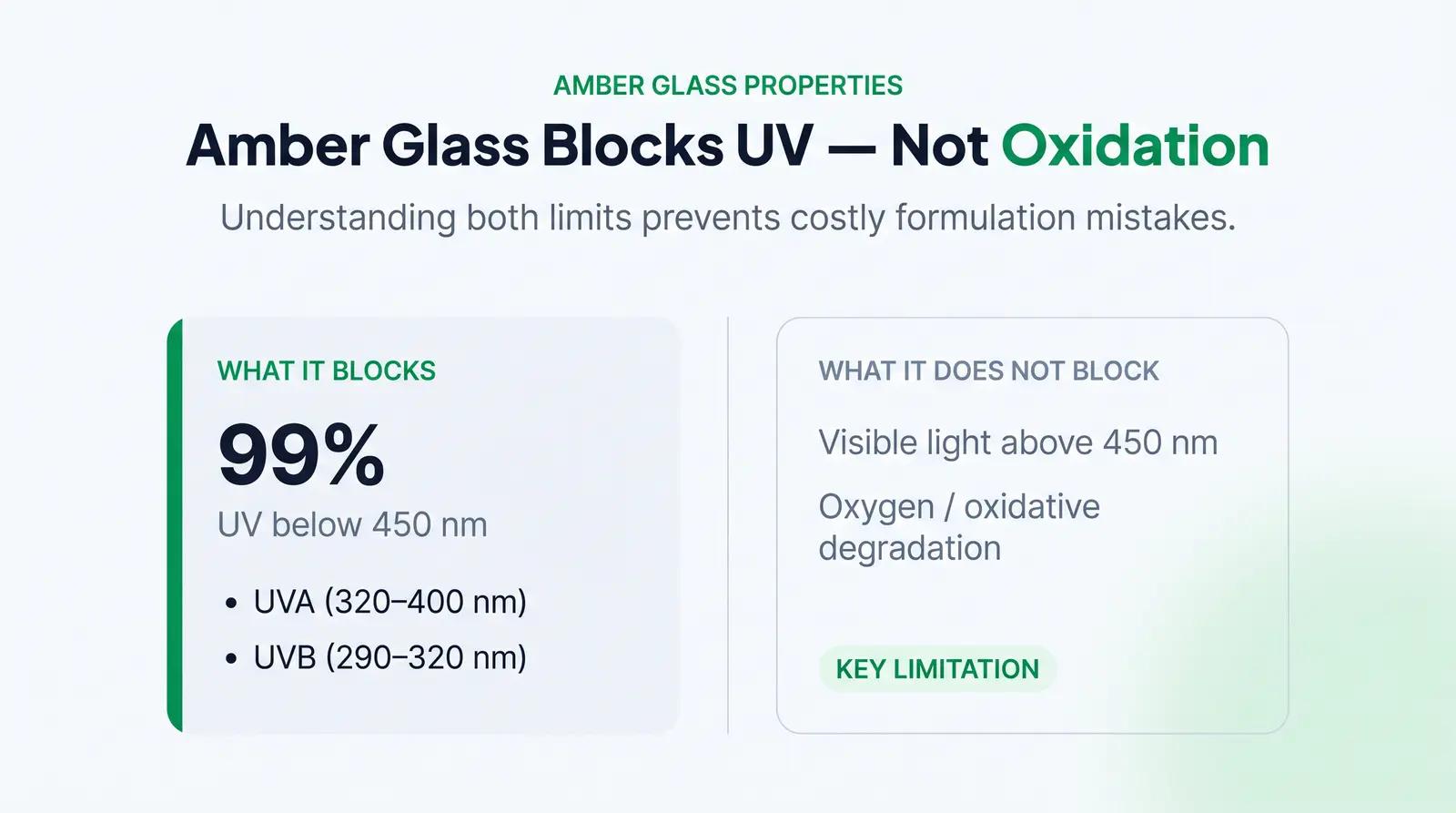
Amber glass derives its characteristic warm brown color from a specific mixture of iron oxide and sulfur added to the glass batch during production. This composition fundamentally alters the spectral transmission properties of the material. High-quality amber glass effectively blocks up to 99% of UV radiation below the 450 nm wavelength threshold [4]. This encompasses the most damaging UVA (320-400 nm) and UVB (290-320 nm) rays, making amber glass an exceptional barrier against photolysis for the majority of light-sensitive cosmetic actives.
What Amber Glass Blocks
The amber chromophore absorbs light in the UV and violet-blue portion of the visible spectrum. This means amber glass is highly effective at blocking the wavelengths most responsible for photolysis in ingredients like retinol, ascorbic acid, and volatile essential oil components. The United States Pharmacopeia (USP) and European Pharmacopeia (EP) both specify spectral transmission requirements for pharmaceutical amber glass containers, confirming that this protective property is rigorously standardized in regulated industries.
What Amber Glass Does Not Block
Amber glass transmits light in the visible spectrum above 450 nm, meaning some visible light still reaches the formula. More importantly, amber glass addresses only light-induced degradation; it offers no protection against oxygen-induced degradation.
This is the most important non-obvious insight in packaging selection, and it is largely absent from competitor content on this topic. A common misconception is that amber glass is a universal safeguard for sensitive formulas like vitamin C serums. While amber glass mitigates photolysis, ascorbic acid also degrades rapidly via oxidation when exposed to air [2]. In a standard glass dropper bottle, the repeated introduction of headspace oxygen during daily use drives oxidative degradation regardless of the glass color. For formulas where the primary degradation pathway is oxidation rather than photolysis, packaging format, such as an airless pump that prevents oxygen ingress, is significantly more critical than the color of the container [5].
Amber glass is also not a substitute for proper photostability testing. The ICH Q1B guideline recommends a systematic testing approach that evaluates the drug substance or cosmetic active alone, then in the immediate pack, and finally in the marketing pack [3]. A formula that passes photostability testing in an amber glass container may still require additional labeling or storage instructions if the degradation pathway involves visible light or heat, neither of which amber glass addresses. Amber glass is a highly effective tool for managing UV exposure, but it is not a comprehensive stability solution on its own.
The Formula-Container Light Compatibility Framework
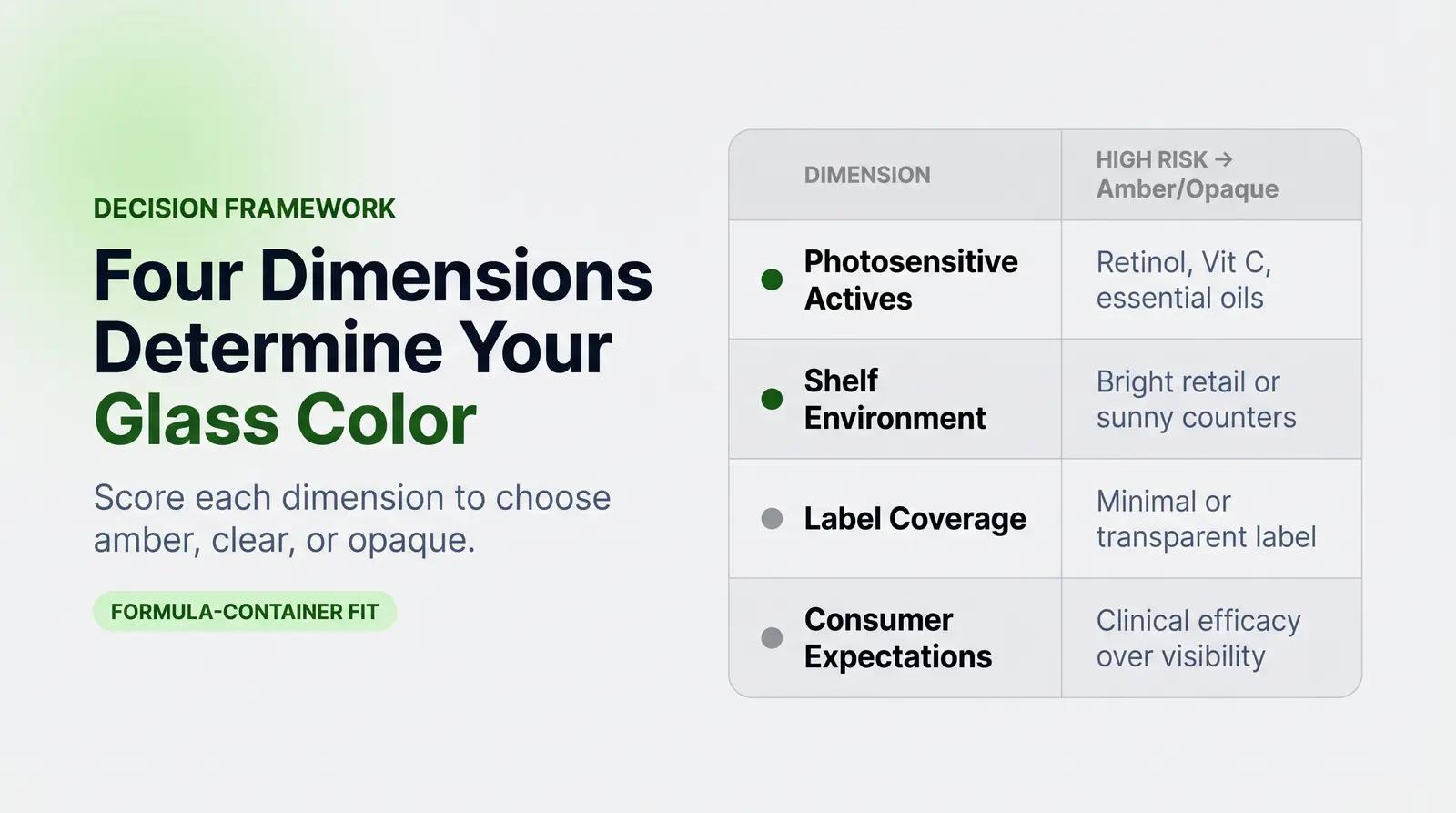
To move beyond generic assumptions about glass color, founders require a structured approach to packaging selection. The framework we recommend at Packfolio evaluates the specific needs of the formula against the realities of the consumer environment across four distinct dimensions.
The Formula-Container Light Compatibility Framework
| Evaluation Dimension | High Risk (Requires Amber or Opaque) | Low Risk (Clear or Frosted Acceptable) |
|---|---|---|
| Photosensitivity of Key Actives | Contains retinol, L-ascorbic acid, volatile essential oils, carotenoids, or light-sensitive botanical extracts. | Contains stable hydrators (hyaluronic acid, glycerin), robust synthetic peptides, or well-stabilized preservative systems. |
| Expected Shelf and Use Environment | Displayed on brightly lit retail shelves, stored on sunny bathroom counters, or used in environments with high ambient light exposure. | Sold via e-commerce and shipped in opaque boxes; stored in dark bathroom cabinets or medicine drawers between uses. |
| Label and Branding Coverage | Minimalist or transparent label design that leaves the majority of the glass surface exposed to ambient light. | Full-wrap opaque label or secondary carton that provides a continuous physical light barrier over the bottle surface. |
| Consumer Transparency Expectations | Category norms prioritize clinical efficacy over product visibility; consumers expect opaque or dark packaging as a signal of potency. | Category norms demand visibility of texture, color, or suspension (e.g., bi-phase oils, gold-flake serums, or tinted toners). |
By assessing a product across these four dimensions, brands can determine whether the protective benefits of amber glass are strictly necessary or if the formula and brand context allow for alternative aesthetic choices. A product scoring high risk on all four dimensions has a clear case for amber or opaque packaging. A product scoring low risk across most dimensions may be better served by clear or frosted glass, which offers greater branding flexibility and, in many cases, a stronger shelf presence.
Amber vs. Clear vs. Frosted vs. Opaque — A Practical Comparison
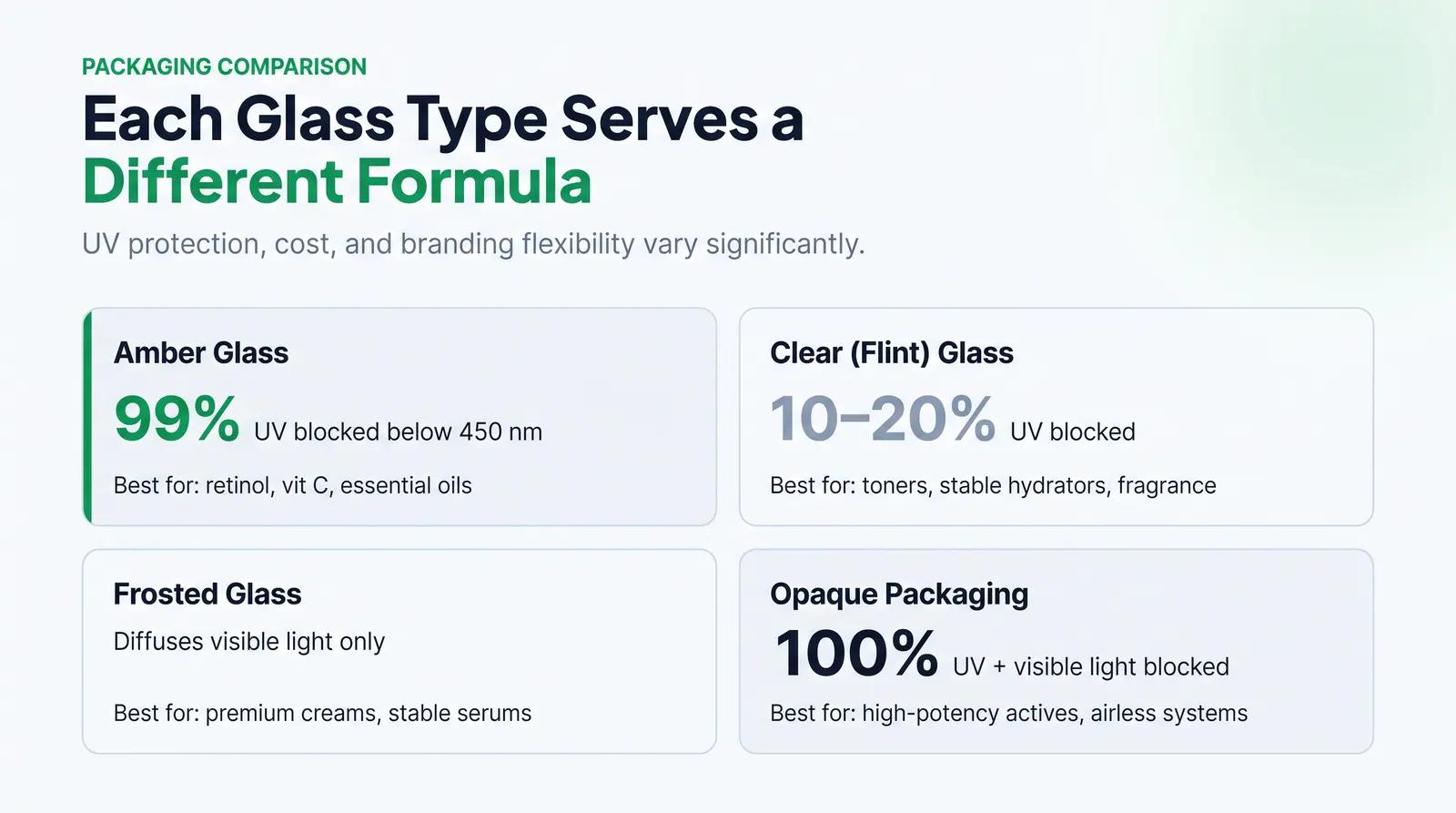
Selecting the appropriate packaging material requires balancing protective requirements with brand aesthetics and cost implications. The following comparison outlines the practical differences between the four most common options for cosmetic primary packaging.
| Glass Type | UV and Visible Light Blocking | Formula Suitability | Branding Flexibility | Category Norms | Typical Cost Signal |
|---|---|---|---|---|---|
| Amber Glass | Blocks more than 95% of UV below 450 nm; transmits visible light above 450 nm [4]. | Excellent for photosensitive actives: retinol, vitamin C, essential oils, and botanical extracts. | Classic apothecary or clinical aesthetic; limits formula visibility. | Standard for clinical serums, facial oils, tinctures, and essential oils. | Often 5-15% higher unit cost than clear flint glass [6]. |
| Clear (Flint) Glass | Minimal UV protection; blocks approximately 10-20% of UV rays [6]. | Suitable for light-stable formulas: toners, basic hydrators, stable synthetic oils, and fragrance. | Maximum flexibility; showcases formula color, clarity, and texture. | Premium fragrances, luxury oils, and visually distinctive serums. | Base cost; widely available across all supplier tiers. |
| Frosted Glass | Minimal UV protection unless specifically UV-coated; diffuses visible light only [7]. | Suitable for moderately stable formulas or when paired with secondary cartons or opaque labels. | Soft, diffused aesthetic; obscures formula imperfections while retaining a premium feel. | Premium creams, gentle serums, and minimalist skincare lines. | Higher unit cost due to secondary acid-etching or sandblasting processes. |
| Opaque Packaging | Blocks 100% of UV and visible light (painted glass, solid plastic, aluminum tubes, or airless systems). | Ultimate protection for highly unstable or reactive formulations requiring both light and oxygen barriers. | Broad canvas for printing and decoration; completely hides the product inside. | Advanced clinical treatments, high-potency actives, and airless pump systems. | Variable cost depending on material, format, and decoration complexity. |
When Amber Glass Makes Sense — and When It Doesn't
The decision to use amber glass should be driven by the specific product category and the chemical realities of the formulation. Understanding both sides of this equation prevents over-engineering packaging for stable formulas and under-protecting genuinely vulnerable ones.
Product Categories Where Amber Glass Is Appropriate
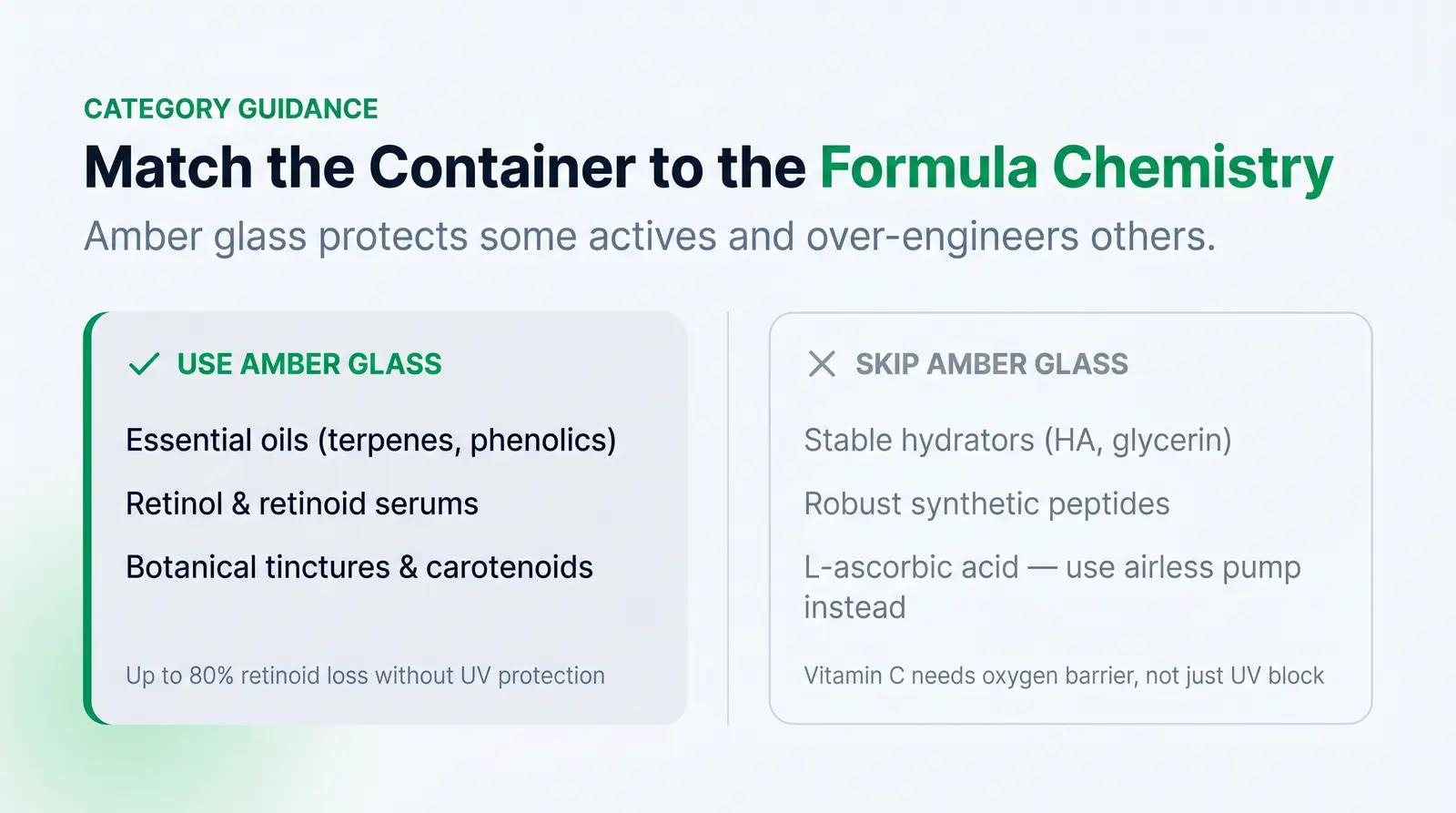
Amber glass is highly appropriate for volatile essential oils, which are susceptible to photo-oxidation that degrades their aromatic compounds and therapeutic properties. The terpene and phenolic components that define the character of lavender, tea tree, and citrus oils are particularly vulnerable to UV-induced breakdown. Storing these in amber glass is both a functional and category-appropriate choice.
Retinol and advanced retinoid formulations represent another clear use case. The research is unambiguous: retinoids in commercial cosmetics show significant light-induced degradation, with some products losing up to 80% of their retinoid content after six months under standard storage conditions [1]. For these categories, the 1 oz (30 ml) amber glass bottle with a dropper or treatment pump remains the industry standard, communicating efficacy and clinical seriousness to the consumer while providing genuine protection.
Hydrosols, botanical tinctures, and facial oils containing carotenoids or chlorophyll-based extracts also benefit from amber glass. These plant-derived pigments are prone to photodegradation, which can cause visible color changes that undermine consumer confidence in the product.
Product Categories Where Amber Glass Is Unnecessary or Suboptimal
Amber glass is often unnecessary for stable, water-based hydrators like hyaluronic acid serums, basic toners, or robust synthetic peptide complexes. These formulas are not meaningfully affected by UV exposure at the levels encountered in typical consumer environments. In these cases, clear or frosted glass allows the brand to leverage the visual appeal of the product without compromising stability. A clear glass bottle with a full-wrap opaque label may offer sufficient protection while reducing the unit cost and expanding branding options.
Fragrance products present a nuanced case. Perfume and eau de toilette formulations are typically housed in clear glass to showcase the liquid's color and clarity, which are integral to the luxury experience. While fragrance compounds can degrade under UV exposure, the industry norm of secondary carton packaging and the relatively short time fragrances spend on illuminated retail shelves mitigates this risk sufficiently for most formulations.
For formulas like L-ascorbic acid, which degrade rapidly via both photolysis and oxidation [2], amber glass dropper bottles are suboptimal as a standalone solution. While the amber glass blocks UV light, the dropper mechanism introduces oxygen into the headspace with every use, accelerating oxidative degradation. In such instances, an opaque airless pump provides vastly superior protection by addressing both light and oxygen exposure simultaneously. This is a case where the packaging format matters more than the glass color.
Worked Example — Choosing a Container for a 1 oz (30 ml) Vitamin C Serum
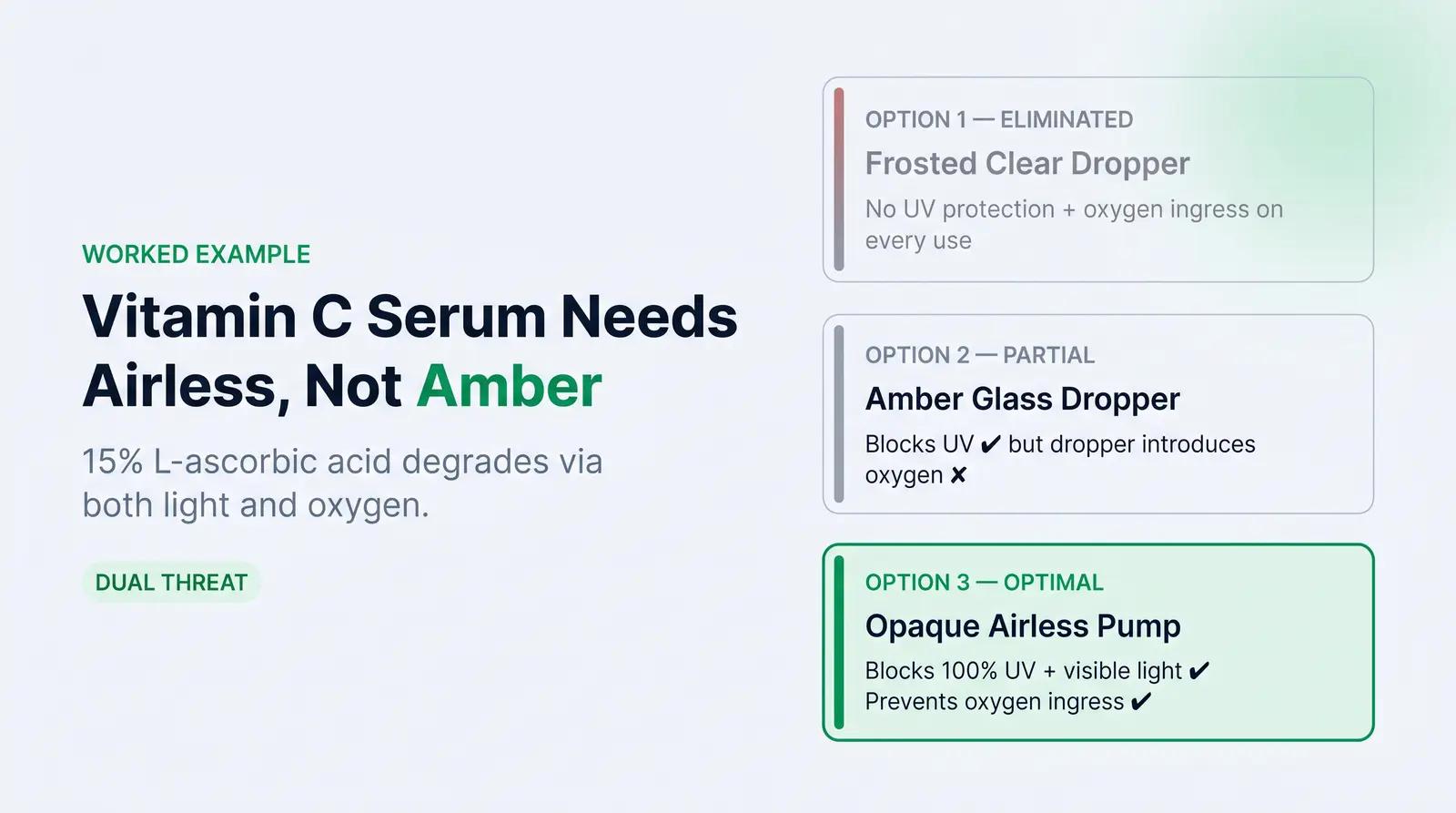
Take a common scenario: a founder launching a high-potency 15% L-ascorbic acid serum. The founder is deciding between three options: a 1 oz (30 ml) amber glass dropper bottle, a frosted clear glass dropper bottle, and an opaque airless pump in a 1 oz (30 ml) format.
The primary concern is the extreme instability of L-ascorbic acid. Research confirms that ascorbic acid degrades via photolysis when exposed to UV light, forming dehydroascorbic acid and other degradation products [2]. However, it also oxidizes rapidly upon contact with air, and the rate of light-induced degradation is approximately seventy times faster than oxidative degradation in the dark [2]. Both pathways are active threats.
Applying the Formula-Container Light Compatibility Framework to this scenario:
Photosensitivity of Actives: High risk. L-ascorbic acid at 15% concentration is highly photosensitive and requires robust UV protection.
Expected Shelf Environment: Moderate risk. The product will be sold direct-to-consumer and shipped in an opaque mailer, providing initial protection. However, once in the consumer's hands, it will reside on a bathroom counter with ambient light exposure.
Label Coverage: Low risk mitigation. The brand's minimalist aesthetic utilizes a small, transparent label covering approximately 20% of the bottle surface, offering no meaningful physical light barrier.
Consumer Expectations: Clinical efficacy is the primary purchase driver for a 15% vitamin C serum. Consumers in this category expect serious, efficacy-forward packaging. Visibility of the serum is secondary.
Evaluating the three options against this profile:
The frosted clear glass dropper is eliminated first. It offers minimal UV protection and allows oxygen ingress via the dropper mechanism on every use. It addresses neither of the two primary degradation pathways.
The amber glass dropper addresses the photolysis risk by blocking UV light below 450 nm. However, the dropper mechanism introduces headspace oxygen with each use, and the amber glass does nothing to prevent this oxidative degradation pathway. For a 15% L-ascorbic acid formula, this is a significant limitation.
The opaque airless pump emerges as the optimal choice. It blocks 100% of UV and visible light, fully mitigating photolysis. The airless mechanism prevents headspace oxygen ingress, mitigating oxidative degradation. The opaque format also aligns with the clinical efficacy positioning of a high-potency vitamin C serum.
The final decision is the opaque airless pump. While the amber glass dropper fits the traditional aesthetic of a clinical serum and would be a reasonable choice for a retinol product, the dual degradation pathways of L-ascorbic acid make it a suboptimal container for this specific formula.
Practical Sourcing Considerations for Amber Glass
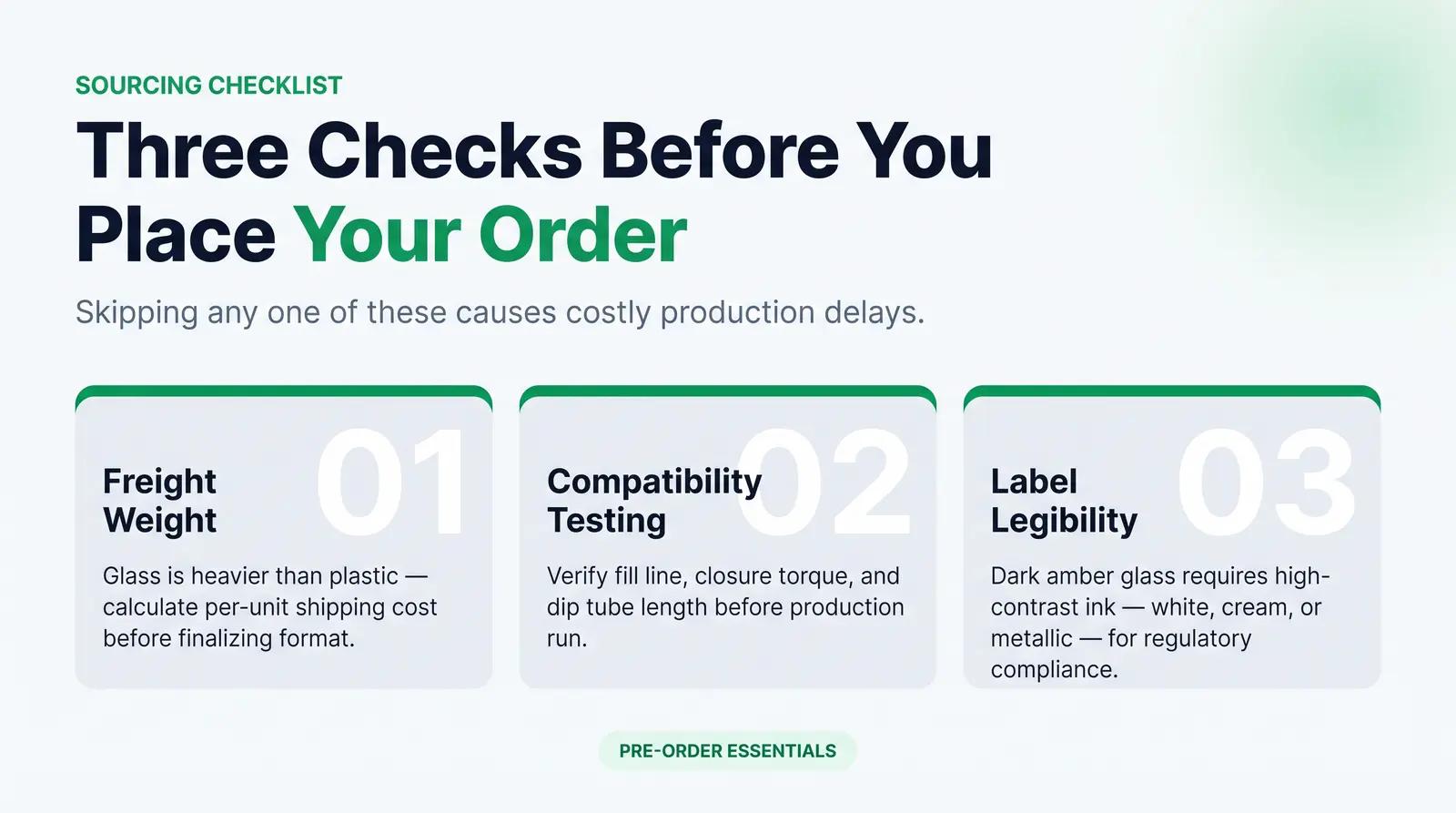
When sourcing amber glass, founders must consider factors beyond light protection. Glass is inherently heavier than plastic alternatives, which directly impacts freight costs and shipping logistics, particularly for e-commerce brands managing their own fulfillment. A 1 oz (30 ml) amber glass bottle weighs significantly more than an equivalent plastic container, and this weight difference compounds across a shipment of hundreds or thousands of units.
Compatibility testing is also essential before committing to a production run. Founders must verify the fill line to ensure the bottle accommodates the intended fill volume with appropriate headspace, confirm that the closure torque specification prevents leaking without cracking the glass, and ensure that the selected dropper pipette or pump dip tube is the correct length for the specific bottle mold. A dropper that is too short will not reach the bottom of the bottle, wasting product. A pump dip tube that is too long will kink and clog.
Regulatory compliance adds another layer of consideration. Cosmetic labeling requirements mandate that ingredient lists, usage instructions, and any required warnings remain legible on the finished package. Dark amber glass provides a low-contrast background, which means label designs must utilize high-contrast typography, such as white, cream, or metallic inks, to ensure readability under retail lighting conditions. This is not a minor detail; illegible labeling can trigger regulatory action in the US and EU markets.
At Packfolio, the 3D preview workflow allows founders to visualize their label designs directly on photorealistic amber glass models before placing an order. This means founders can verify color contrast, check label legibility, and confirm the overall aesthetic of the finished package without waiting for physical samples. Packfolio handles production coordination, quality assurance, and freight, so founders never need to manage supplier relationships or navigate factory specifications directly. Browse the curated amber glass dropper and spray bottle catalog at packfolio.com/catalog and preview your label in 3D before ordering.
For founders exploring the broader decision between glass and plastic primary packaging, the Packfolio blog covers the tradeoffs in detail, including sustainability considerations and category norms.
Browse Packfolio's curated amber glass dropper and spray bottle catalog and preview your label in 3D before ordering → packfolio.com/catalog
Frequently Asked Questions
Are amber glass bottles better for skincare?
Amber glass bottles are better for skincare formulas that contain light-sensitive active ingredients, such as retinoids, essential oils, and certain antioxidants. They block up to 99% of harmful UV rays below 450 nm, which helps prevent photolysis and extends the product's effective shelf life [4]. For stable formulas without photosensitive actives, clear or frosted glass may be equally appropriate and offer greater branding flexibility.
What is the difference between amber and clear glass for serums?
The primary difference is UV protection. Amber glass contains iron oxide and sulfur, which block damaging UV light below 450 nm, protecting sensitive ingredients from photolysis. Clear (flint) glass offers perfect product visibility but blocks only approximately 10-20% of UV light [6], making it suitable only for light-stable serums or products stored in secondary opaque packaging such as cartons.
Do amber glass bottles block UV light?
Yes, high-quality amber glass effectively blocks up to 99% of ultraviolet (UV) light below the 450 nm wavelength [4]. This includes the UVA and UVB rays most responsible for breaking down chemical bonds in sensitive cosmetic formulations. Amber glass does, however, allow some visible light to pass through above 450 nm, and it provides no protection against oxygen-induced degradation.
What size amber dropper bottle is best for a face serum?
The 1 oz (30 ml) amber glass dropper bottle is the industry standard for face serums. This size provides a sufficient volume for a typical 30-to-60-day usage cycle, which aligns well with the shelf life of potent active ingredients once opened, while remaining compact enough for travel and easy daily handling. A 2 oz (60 ml) format is also common for brands targeting higher-volume users or value-focused positioning.
Can I use amber glass bottles for essential oils?
Yes, amber glass is highly recommended for essential oils. Volatile aromatic compounds and terpenes in essential oils are exceptionally sensitive to photo-oxidation, which degrades their therapeutic properties and alters their scent profile. Storing essential oils in amber glass prevents UV-induced degradation and helps maintain potency over the product's intended shelf life.
References
[1] Temova Rakuša, Ž., Škufca, P., & Kristl, A. "Retinoid stability and degradation kinetics in commercial cosmetic products." Journal of Cosmetic Dermatology, 2021. https://pubmed.ncbi.nlm.nih.gov/33206444/
[2] Ahmad, I., Sheraz, M. A., Ahmed, S., Shaikh, R. H., et al. "Photostability and Interaction of Ascorbic Acid in Cream Formulations." AAPS PharmSciTech, 2011;12(3):917. https://pmc.ncbi.nlm.nih.gov/articles/PMC3167265/
[3] U.S. Food and Drug Administration. "Q1B Photostability Testing of New Drug Substances and Products." FDA Guidance Documents, 1996. https://www.fda.gov/regulatory-information/search-fda-guidance-documents/q1b-photostability-testing-new-drug-substances-and-products
[4] Container and Packaging. "The Science Behind Amber Glass and UV Protection." Container and Packaging Resources, 2025. https://www.containerandpackaging.com/resources/the-science-behind-amber-glass-and-uv-protection/
[5] EnkiPack. "Best Packaging for Serums: Glass Dropper vs Airless Pump." EnkiPack Blog, March 2026. https://www.enkipack.com/resources/blogs/serum-packaging-glass-dropper-vs-airless-pump
[6] Pharmaglass. "Amber vs Clear Glass Bottles: Complete Comparison Guide." Pharmaglass Resources. https://www.pharmaglass.co.id/en/compare/amber-vs-clear/
[7] A Packaging Group. "Is frosted glass UV resistant?" APG News. https://apackaginggroup.com/blogs/news/is-frosted-glass-uv-resistant
[8] Certified Laboratories. "Understanding Photostability Testing for Cosmetic and OTC Drug Products." Certified Laboratories Blog. https://certified-laboratories.com/blog/understanding-photostability-testing-for-cosmetic-otc-drug-products/


